

When it comes to picking the ideal wood for your outdoor furniture or building projects, it can be stressful to figure out where to start. Eucalyptus and teak are two popular choices, but how do you decide which one is best for you?
The key is to consider your personal needs, budget, and preferences.
Both kinds of wood are excellent choices for outdoor furniture and other DIY projects. Eucalyptus is a fast-growing, durable wood resistant to decay and insect damage. Teak, on the other hand, is a solid, oily wood that resists rot and decay.
You see, these woods have distinct traits and benefits. However, each has its own pros and cons.
Below, we’ll compare the specific characteristics and qualities of eucalyptus and teak, such as sustainability, resilience, and aesthetic appeal. We’ll also go over some of the advantages and drawbacks to keep in mind. Understanding how these two popular wood types can further help you make an informed decision.
Teak vs. Eucalyptus
Teak and eucalyptus are both commonly used wood materials for outdoor furniture, flooring, and other construction features. They have certain similarities. But they also have some differences. Here’s a table to give you a clear comparison of the two.
| Wood | Janka Hardness (lbf) | Origin | Appearance | Average Lifespan | Workability |
| Teak | 1,155 | Indian Subcontinent and Southeast Asia | Honey or golden brown | 50-70 years | Fairly easy |
| Eucalyptus | 1,125 | Australia | Varies from reddish brown to pale | 25 years or more | Easy |
Notable Features of Teak Wood

Teak is a hardwood derived from the Tectona grandis tree, which is native to the Indian Subcontinent and Southeast Asia. However, it is also commonly grown in other parts of the world, such as Africa, South America, and the Caribbean.
Teak trees are recognized for their tall, slender profile and ability to thrive in a wide range of soil conditions. They are a valuable resource in the tropical regions where they grow. And it’s widely used in forestry and land management projects.
However, it is a slowly growing tree, which makes it hard to source and harvest. This also justifies their generally high cost.
Due to its aesthetic appeal and exceptional durability, teak is often used in outdoor furniture, boat building, and decking. It’s also a common material used in the production of veneer, paper, and other products.
Teak’s natural oil content is one of its defining characteristics, providing it with genetic immunity to water and weathering. The natural oil also makes it resistant to pests, insects, rot, and decay. Plus, it can survive exposure to direct sunlight.
When it comes to the look, it’s noted for its beautiful grain pattern and rich, warm tone that darkens over time. However, when new, it can bring charm and flair to any woodworking project. And speaking of beauty, teak wood polishes well. With the right product, you can enhance the inherent beauty of the wood.
Pros
- Durable (hard and dense wood)
- Versatile (used for many woodworking projects like boat building, decking, outdoor furniture, etc)
- Weather resistance (has natural oil to resist moisture and the elements)
- Fairly easy to work with
- Aesthetic appeal (beautiful honey to golden brown)
Cons
- Expensive (due to high demand and limited supply)
- Some teaks are not sustainable wood
- Limited availability (difficult to source)
- Thick and dense (a bit hard to work with and transport)
Cost
Because teak wood is hard to source, it’s typically more expensive than eucalyptus. Teak trees are usually planted and cultivated in plantations to guarantee a consistent and steady supply. They are grown in plantations to prevent over-exploitation.
In addition, teak’s exceptional durability, extended lifespan, and aesthetic appeal contribute to the wood’s high price tag.
Applications

Teak wood is useful for various applications due to its durability, resistance to rot and decay, and appealing look. Some common applications for teak wood include:
Furniture and Outdoor Structures
Teak wood is a coveted material used to make high-quality furniture, such as tables, chairs, and bed frames. It’s also great for fencing, building pergolas, park benches, and teak furniture. Teak is a popular choice for outdoor applications because it also resists pests and elements and has naturally gorgeous wood grains.
Boatbuilding
Teak wood is commonly used in the building of boats and ships due to its resistance to water damage and ability to survive wear and tear in the sea. In fact, most of the ships you see these days have decks made of teak wood.
Construction
This wood’s ability to resist pests and insects also makes it one of the most sought-after materials for flooring, wooden patio furniture, panels, doors, and windows. In India, especially, teak is a common wood material used for building beams and columns due to its termite resistance.
Decor
Since teak is simple to work with and keeps its shape well, it’s also used in carving and sculpture. The wood is also a popular wood choice for garden swings, storage pieces, and more.
Care and Maintenance
Apart from the occasional cleaning and dusting to get rid of surface dirt, teak wood furniture require almost no maintenance. To care for and maintain teak wood, you can take these easy tips:
- Clean the wood regularly with a soft bristle brush and warm soapy water.
- Protect the wood from extreme weather conditions using a teak oil or sealer.
- Address and repair any damage using wood filler or putty. Then, sand and protect the repaired area with good teak oil or sealer.
- Store the wood in a dry, well-ventilated area to prevent rot or mildew.
Following these steps can help preserve the natural beauty and high durability of your teak wood.
Notable Features of Eucalyptus Wood
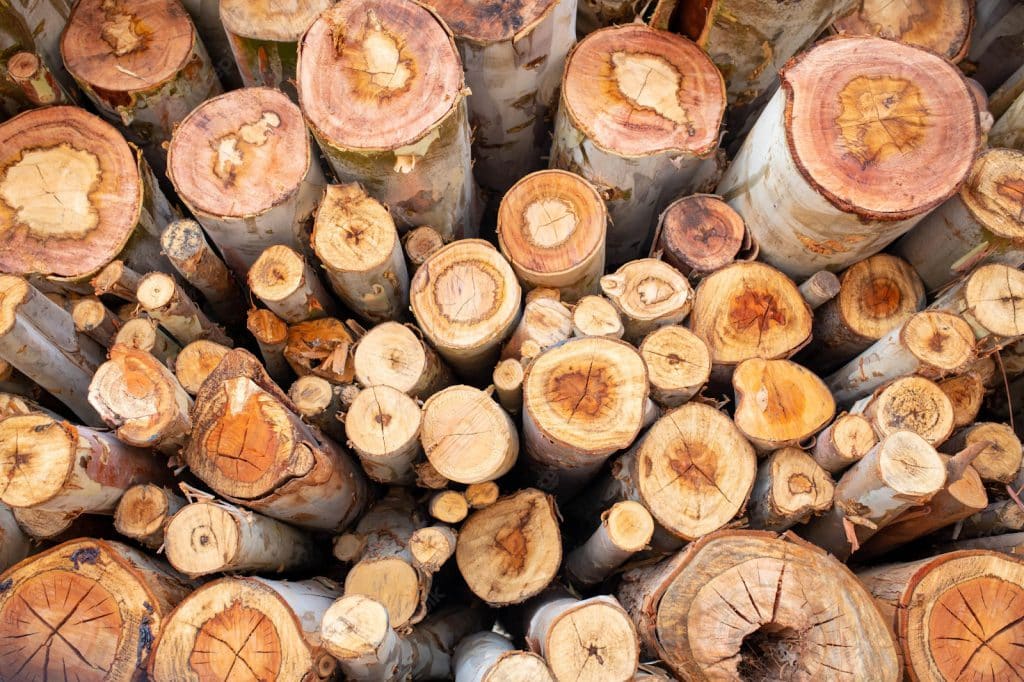
Eucalyptus (eucalyptus globulus) is a tree native to Australia. However, it’s also grown and harvested in other parts of the world, particularly in Southeast Asia like the Philippines, New Guinea, and Indonesia.
Its wood is light in color, ranging from pale cream to light brown. In terms of looks, the wood has a straight grain with a fine to medium texture. And, it is a dense wood, which makes it resistant to degradation when with adequate maintenance and care.
Eucalyptus wood’s high durability also makes it ideal for a variety of applications. It’s widely used in the construction industry for framing, decking, and other structural applications, as well as in the production of paper and pulp.
This wood is also a great material for outdoor furniture, flooring, patio furniture, and decorative items. And, it is a popular choice for bioenergy production.
One thing that makes eucalyptus wood a coveted material for outdoor furniture is that it’s often sustainably sourced. This is because eucalyptus trees are fast-growing and can be harvested and replanted within a relatively short period of time.
The fast growth is also one of the reasons why eucalyptus wood is more affordable than teak.
Eucalyptus wood is also easier to work with than teak, making it a popular choice for woodworkers and craftsmen. However, you must take caution while harvesting and cutting eucalyptus to avoid warping and breaking the wood.
The wood also needs treatment as soon as it’s harvested. With proper treatment and care, your eucalyptus may have a life nearly as long as teak but at a fraction of the cost.
When it comes to finishing, you can have a piece of very classy furniture with the right finish will give you a very classy furniture. Plus, it makes painting jobs easy.
Pros
- Durable (strong wood with high density and resistant to splitting)
- Sustainable (trees grow quickly and can be sustainably harvested)
- Economical
- Versatile (used in a variety of applications, including eucalyptus patio furniture, flooring, and construction)
- Lovely color and grain patterns
Cons
- Prone to cracking when not properly handled and left untreated
- Weathers easily
- Needs to be treated after harvesting
Cost
If you’re looking for a more budget-friendly alternative to teak, then eucalyptus may be a more economical choice. The eucalyptus tree’s incredibly quick growth makes it a sustainable resource. It’s also a popular option among eco-conscious wood furniture shoppers.
Applications

Eucalyptus trees are koala bears’ staple food and you can’t even deny the amazing natural oils they produce. Aside from these uses, eucalyptus wood is a popular option for a wide range of applications due to its strength, durability, and versatility. Some common uses for eucalyptus wood include:
Eucalyptus Furniture
Given its durability and resilience to weathering, eucalyptus wood is widely used to build outdoor furniture. Eucalyptus wood has a light and airy look that is ideal for both casual and formal outdoor seating. It’s also widely used for building ottomans, lounge chairs, tables, benches, and more.
Paper Production
Since it has a fast growth rate and high cellulose content, eucalyptus wood is used in the manufacturing of paper and pulp.
Art and craft
When it comes to crafts and decor, this eucalyptus wood makes an amazing material for ornamental pieces and handicrafts such as bowls, boxes, and other items. You may also want to build a dark eucalyptus side table to add a touch of rustic to industrial or modern farmhouse interior designs.
Care and Maintenance
The care and maintenance for eucalyptus are similar to teak wood. When it comes to caring for your eucalyptus furniture, you may want to give it a light sanding once a year to rid the surface of impurities. Don’t overdo it, though, as this could damage the naturally silver-weathered character of the wood.
Just sand down gently to smooth out any unevenness and splinters on the surface. Properly caring for your eucalyptus can help maintain the inherent beauty and resilience of the wood.
FSC Seal
The Forest Stewardship Council (FSC) is an international organization that promotes responsible forestry practices and the use of sustainably-sourced wood products.
It has established a set of standards for responsible forestry practices and has developed a certification system to recognize forests and products that meet these standards.
There are still many illegal trades. Particularly with eucalyptus and teak woods. But the plantations these trees grow on are controlled by the FSC. They strive to supply rising demand while stopping deforestation. So, check if the teak or eucalyptus you’re buying has the FSC label next time you shop for furniture.
FAQs
Does eucalyptus wood weather like teak?
Comparable to teak, eucalyptus can weather and develop a natural patina over time. However, while it can look like teak, the patina on eucalyptus furniture might be more of a black slate or a lighter, silver gray. And the process may be quicker with eucalyptus than with teak.
Is eucalyptus wood as good as teak?
Although both are sought-after timbers, eucalyptus lacks the durability and resistance to adverse weather conditions that teak has. Teak is famed for its exceptional durability and moisture-resistant properties. The wood also contains natural oils (though eucalyptus has oil too), which protects it against pests and humidity.
Eucalyptus wood, on the other hand, may be less impervious to the other elements. This wood also may entail more upkeep to retain its beauty. It’s still fairly durable, though. That’s why it’s still a popular choice for outdoor furniture. Plus, it’s more affordable than teak.
Eucalyptus is also often considered a more sustainable option than teak. This is because it grows at a faster rate than teak and has the ability to regenerate quickly after harvesting.
What wood is comparable to teak?
Teak is an expensive wood. Luckily, there are less commonly noted teak alternatives. This includes mahogany, Bubinga, eucalyptus, treated maple, purpleheart, ipe, and Jarrah. These woods are similar to teak in terms of durability.
But keep in mind that there is no true alternative to genuine teak hardwood. Teak’s unique qualities have earned it the industry standard for quality outdoor and interior building for generations.
Conclusion
Teak and eucalyptus wood are both wonderful materials. And each has its own unique qualities. But when it comes to choosing between the two, you must consider your specific needs, budget, and preferences.
If you want to learn more about their differences, or if you have any questions about your project, it may be best to contact a professional.
But given our detailed comparison of teak vs eucalyptus, we hope that you’ll be able to start your next woodworking project or shop for your ideal furniture pieces soon. Good luck!