

If you own a piece of redwood furniture, you know that it is naturally water- and insect-repellant wood. However, you are aware that it is a softwood, meaning it is not the most durable material out there. Oiling the wood is essential to strengthen it and keep it beautiful for years to come. But can you use teak oil on redwood?
The short answer is yes; you can apply teak oil to redwood surfaces. The long answer is technically yes. However, teak oil is mostly used on hardwoods, such as mahogany and teak wood. Redwood is a softwood, so it can soak more teak oil, making it an expensive choice.
Below, we will cover the properties of teak oil to help you understand why it is a good (not necessarily the best) choice for redwood. We will also teach you other wood oils to use on redwood outdoor furniture. This article even includes an FAQ section to clear up any confusion about maintaining redwood.
Can You Use Teak Oil on Redwood?

Yes, teak oil is among the most popular wood oils to treat different wood species, including redwood. Teak oil contains natural oils, mineral spirits, and varnishes. Despite its name, it does not come from a teak wood.
You can use teak oil to maintain redwood furniture pieces. The oil penetrates deep into the wood pores to strengthen the material from within.
When used as an oil finish, teak oil dries to a durable and moisture-resistant barrier. It prevents water, mold, and sunlight from damaging the wood surface.
However, teak oil has a thin consistency better suited to hardwoods. Since redwood is a softwood with less natural oils, it can soak up more teak oil than usual. As such, using teak oil on redwood is not cost-effective. It also takes a lot of effort to get a beautiful finish compared to other wood surfaces with abundant wood oils.
If you are someone who has money and time to spend, then go ahead and buy teak oil to treat redwood. You can enjoy many benefits, including a durable and decorative wood finish. Otherwise, consider other wood oils that work better with redwood and different types of wood with less natural oils.
What Are the Best Oils to Use on Redwood?
Redwood is a popular softwood used for interior or exterior use. It is prized for its insect-repelling and water-resistant finish. However, it requires occasional maintenance to keep it strong and beautiful for years to come. One of the easiest ways to maintain redwood is to apply wood oil finishes. Below are the other wood oil products to consider besides teak oil.
Tung Oil

Tung oil is made by pressing the seeds of the nuts of the tung tree. It is also known as China wood oil because it was a popular boat finish for boats in the Asian country.
Tung oil helps the wood withstand water and moisture damage. It also prevents mildew and mold growth, making it a perfect pair to redwood, which is naturally rot-resistant.
Another benefit of tung oil is its transparent finish. It preserves the natural beauty of redwood outdoor furniture and other types of wood, such as teak wood. It even enhances the wood grain.
Danish Oil
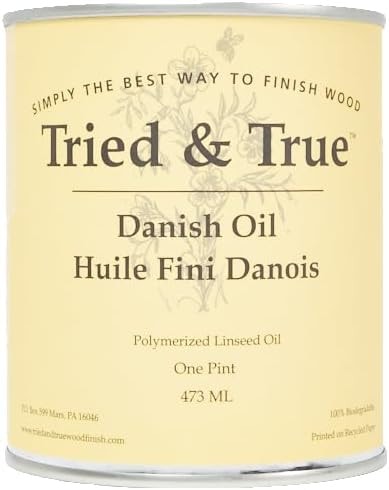
Danish oil is another wood oil to use on redwood. It uses different natural oils (mainly raw linseed oil and tung oil), minerals, varnishes, and resins. The combined ingredients leave a hard film finish on the wooden surface, protecting wood from excessive UV light and other elements.
Danish oil also penetrates deep into the wood pores to strengthen redwood. But it dries faster than other pure oils due to the drying agents added to the mixture.
The only downside is that Danish oil might alter the original color of redwood. Fortunately, there are other brands that offer a natural shade.
What Are the Benefits of Oiling Redwood?

Redwood is a durable timber with natural insect-resistance and moisture-repelling qualities. It can also prevent decay, making it an ideal material for outdoor furniture.
However, redwood is a softwood, so it does not offer the greatest density and durability, especially when compared to hardwoods. That is when wood oils come in.
Oiling redwood is an effective way to make the material more durable. The oil seeps into the wood pores to prevent drying within.
Wood oils (especially teak oil, linseed oil, and Danish oil) can also produce a tough coat finish. They can enhance the natural properties of the redwood. They can offer extra protection against moisture, mold, insects, and sunlight exposure.
Finally, wood oils can highlight the unique color and grain of redwood and other types of wood. They affect the overall look and feel of this softwood.
How to Oil Redwood? A Step-by-Step Guide
Oiling redwood is a pretty straightforward task that involves several steps.
First, you must clean and sand the redwood surface. Dampen a clean cloth or get a soft-bristled brush to remove all kinds of debris. As for sanding, you may want to start with coarse sandpaper (between 40 and 80 grits). Then, use a fine-grit sandpaper (180 to 220 grits) to smoothen the surface.
After sanding, clean the surface and ensure it is free of sanding dust. Next, pour the oil of your choice onto the bare wood. Use a clean cloth to spread the wood oil across the wood surface. Allow the oil to stay for 15 minutes before wiping off any excess product.
Once the first coat is done, you must wait at least a day or two for the oil to dry. Then, you can apply another oil coating. Let the product sit on the redwood surface for 15 minutes or more.
Finally, wipe off any excess oil sitting on top of the lumber. Wait until the wood is completely dry before using it.
Frequently Asked Questions
How do you maintain redwood?
Regular cleaning, mildew removal, oil treatment, and oil finishing are essential steps to maintaining redwood. You may also want to apply a stain to restore the original color and beauty of the redwood.
How often should I oil redwood?
It depends on the exact oil product that you use on your redwood furniture or deck. Most wood oils require reapplication every year. However, if the wood is used heavily or exposed to harsh weather, consider oiling it more frequently.
Do I need to sand before applying teak oil?
Yes, you should sand the surface of the wood prior to applying teak oil. Doing so removes the previous finish and old wood cells. Sanding can also open up the grain, which helps the teak oil penetrate the wood better.
Conclusion
Teak oil is one of the best penetrating finishes for wood surfaces. It can be used on redwood, enhancing the natural strength and beauty of the softwood. However, redwood can soak up a lot of teak oil, which may be less than ideal. Fortunately, there are other wood oils to consider for redwood furniture and decking.
Did you find this article helpful? Feel free to share it with your family and friends!