
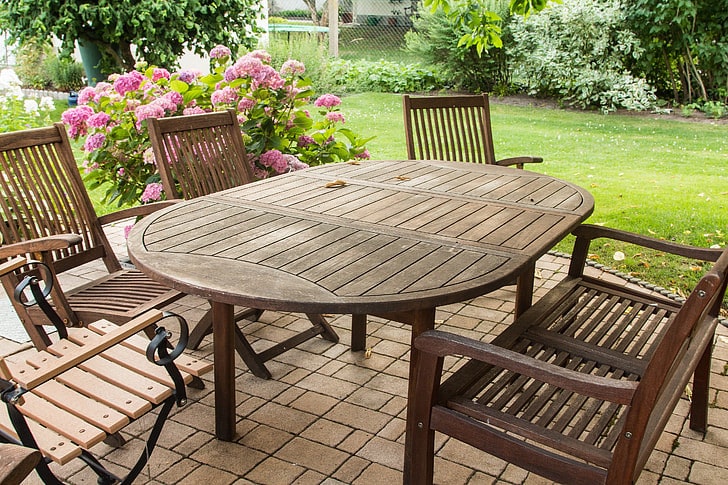
If you want to add wooden outdoor furniture to your home, you have likely heard positive things about teak wood. It is among the most popular materials for outdoor use in general. But surely, it isn’t all that great, right? To help you make the right choice, this article covers the pros and cons of teak wood.
Teak wood is a durable hardwood known for its natural resistance to rot and decay. It is also known for its distinct golden brown shade and straight wood grain. However, it is among the most expensive materials due to its limited availability.
Below, we’ll show you the advantages and disadvantages of teak wood furniture in more detail. Before that, though, we’ll teach you the unique properties of this hardwood.
What Is Teak Wood?
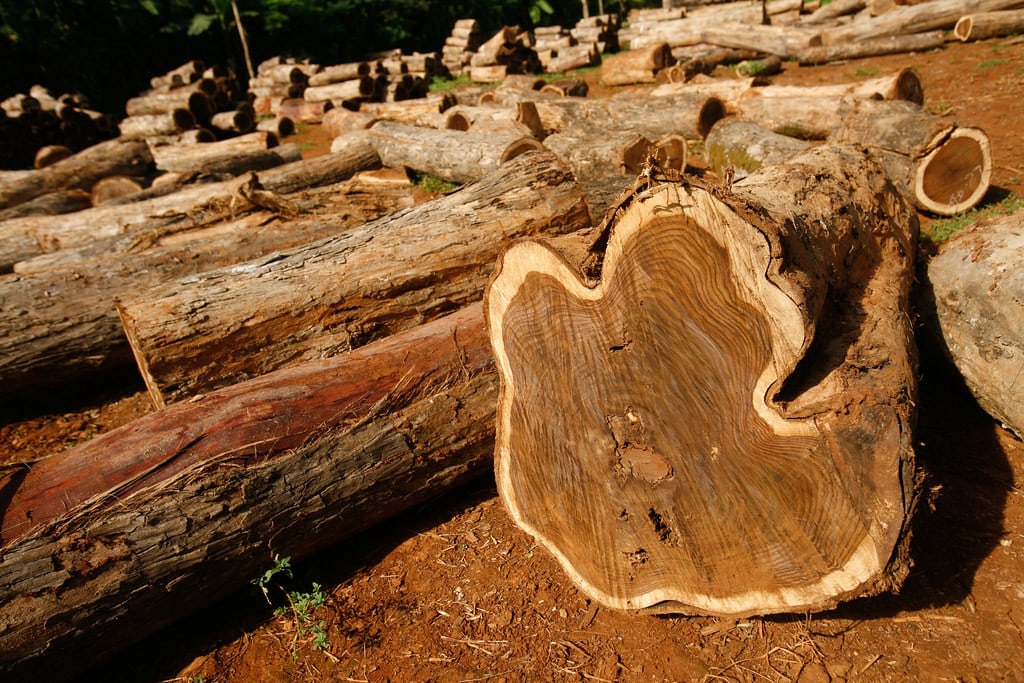
Teak wood is a hardwood species native to south and southeast Asia. It also grows on different plantations in Africa and South America.
Teak or Tectona grandis has a moderate hardness on the Janka scale, ranging from 1,000 to 1,155. It is notably harder than cedar, chestnut, mahogany, and white pine.
Teak wood produces a large amount of natural oils to offer several advantages, which we will show you later.
However, due to its extreme popularity, teak has been overharvested for decades. That makes it difficult to obtain, ultimately increasing its price.
Let us take a closer look at the pros and cons of teak wood.
What Are the Pros of Teak Wood Furniture?
Teak wood is a popular choice among furniture owners for good reasons. Here are the advantages of teak wooden furniture.
Strength and Durability
Teak wood is a hardwood with a tight grain. It offers exceptional strength, especially when compared to softwoods and other hardwood species.
Teak also has a high natural oil content. It can protect outdoor furniture from harsh sunlight, rain, humidity, and other elements.
Plus, the hardwood is dimensionally strong. Teak wood furniture doesn’t bend or warp, unlike other types of wood. It retains its shape, even when exposed to moisture.
Resistance to Insects, Decay, and Rot
As previously mentioned, teak wood furniture is naturally rich in protective oils. Besides preventing moisture from damaging the hardwood, these natural oils effectively resist insects and rot.
In fact, teak has been the standard for decay resistance. It can withstand exposure to termites, fungal stains, and other pests that can damage your patio furniture.
If you’ve experienced termites destroying your previous wooden furniture, you’ll know how important rot resistance is.
Longevity
Since it resists moisture, rot, and other harsh conditions, teak wood furniture can last for generations. Teak also prevents cracks and splinters, ultimately adding to its longevity.
As such, it shouldn’t come as a surprise if you see many types of antique teak furniture for sale.
Natural Beauty
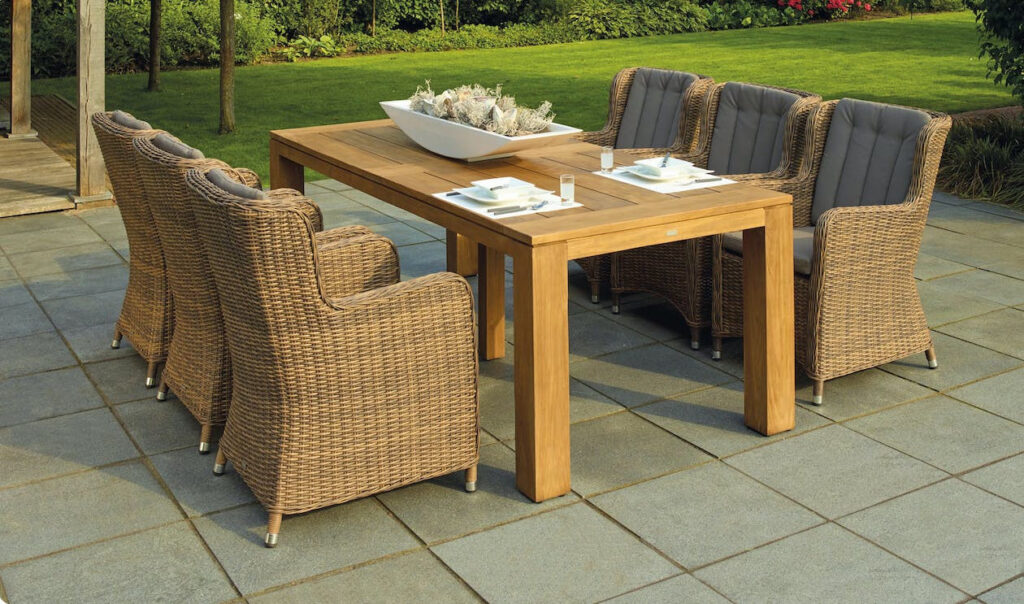
Another benefit of teak wood is its natural beauty. It has a distinct golden brown shade that can complement your existing furniture pieces.
Teak patio furniture also offers a natural glow, thanks to its high oil content. It doesn’t look dull. Instead, its warm color will easily capture your eye.
Plus, genuine teak wood has a tight, straight grain pattern with a smooth texture that looks and feels elegant. However, other teak furniture pieces feature wavy or interlocked grain. These offer a unique aesthetic appeal.
Versatility
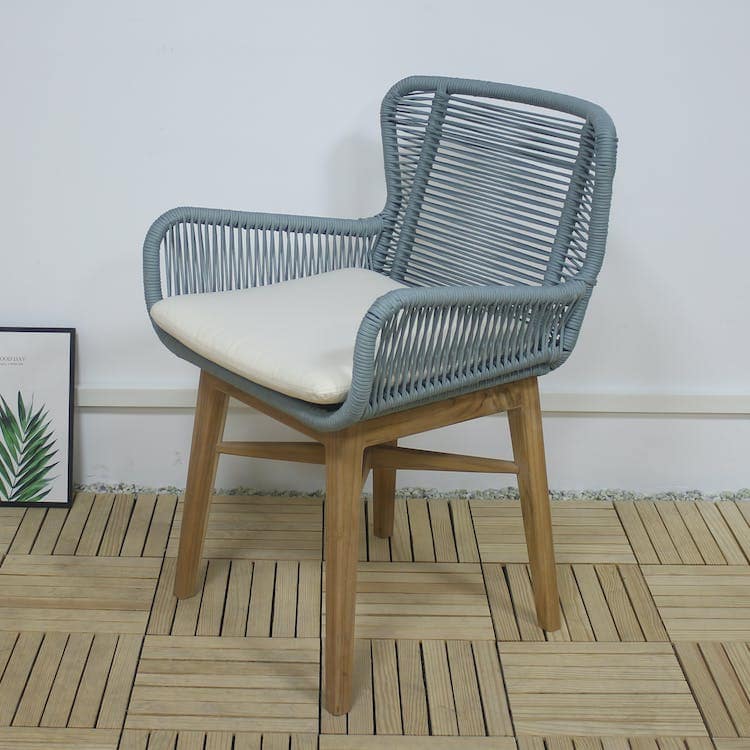
Most carpenters and artisans will agree that teak is relatively easy to work with. Despite its hardness and durability, the hardwood can be carved by hand to create customized furniture pieces. From dining tables and chairs to bedframes and other outdoor decor, teak is a great choice.
Teak wood further proves its versatility with its natural golden brown hue. The color fits well with existing home decor and hardwood flooring. But if you wish to change its shade, the hardwood lets you paint, stain, polish, wax, or varnish its surface.
Heat Moderation
Teak wood is a natural insulator, meaning it can effectively moderate heat. For this very reason, teak outdoor furniture doesn’t get too cold or hot, even when exposed to harsh environments. It retains heat throughout winter. At the same time, teak garden furniture doesn’t see an increase in temperature during hot days.
Low Maintenance
On top of all these benefits, teak is low maintenance. It doesn’t require regular upkeep because it is naturally resistant to dust, dirt, insects, and other elements.
Teak wood furniture is designed to withstand outdoor environments. Treatment is optional since the hardwood already contains abundant natural oils.
The material ultimately saves you time and effort in maintenance.
What Are the Cons of Teak Wood Furniture?
Outdoor teak furniture still has its share of downsides. Below, we’ll cover the cons of teak to help you decide whether it’s the right choice for you or not.
Expensive

Teak is more expensive than other hardwoods. Grade A teak, the highest quality wood you can get from the heartwood, can cost you thousands of dollars. Teak with lower grades (Grade B or C) can save a bit of money, but it is still pricier than other durable hardwoods.
So if you have a limited budget, teak outdoor furniture may not be the best option for you. In case you’re curious why teak is so expensive, the main reason is the lack of supply. Natural sources of teak have declined, but the demand for this hardwood has only increased. As such, the price of teak furniture has skyrocketed in recent years.
Limited Availability
Despite its popularity, teak wooden furniture is actually scarce in the market. Some manufacturers might market their wooden products as teak, but they don’t use the material at all. As such, only a few customers may identify if the furniture is made from solid teak wood or not.
Teak wood is also difficult to procure since most organizations regulate its harvest. This can lead to lower product supply. Consumers may find teak options limited, especially compared to other commercial woods, such as oak and maple.
Hard on Cutting Blades
According to the Janka scale, teak is moderately hard. So while it is easy to cut, it can be tough on the cutting blades you use. Other teak pieces also contain mineral deposits.
The combined hardness and mineral deposits from the wood can leave your tools blunt in no time. So if you’re planning to cut and shape teak wood yourself, you must sharpen your blades more frequently.
Gray Patina
It’s true that teak wood requires a little amount of maintenance. However, when left untreated, teak patio furniture develops patina.
Depending on your preference, the silver-gray finish might be unappealing or not. Some users will agree, though, that weathered teak is dull. It lacks the luster found in treated and well-maintained teak pieces. So if you want your outdoor wood furniture to remain beautiful, maintain teak regularly. Consider applying teak oil and sealer.
Conclusion
Teak wood is undeniably beautiful and durable. It effectively resists sunlight, moisture, insects, and rot. As such, it doesn’t warp or twist, which can last you for a long time.
However, you must learn to overlook the pros of teak wood and learn about its cons as well. For one, teak can be expensive, which is unsuitable for those with a limited budget. By knowing its disadvantages, you can identify whether teak furniture is right for your needs or not.
Do you have other questions about teak wood furniture? Contact us today, and we’ll get back to you soon!