When shopping for teak furniture, you will likely come across counterfeit products or other wood species entirely. These items are just as expensive as genuine teak, ultimately ripping you off. Sadly, I have been in your shoes before, so I learned to spot real teak wood from a fake one.
You can identify teak wood by its distinct golden-brown color, straight grain pattern, and shiny finish.
However, teak can hide its genuine color and texture once stained. Some wood species also have “teak” in their names, which can confuse homeowners. Plus, teak is available in different types and wood grades that vary in appearance. In this article, I will cover important features that can help you recognize this tropical hardwood.
What Does Teak Wood Look Like?
Teak is an exotic wood prized for its beauty and durability.
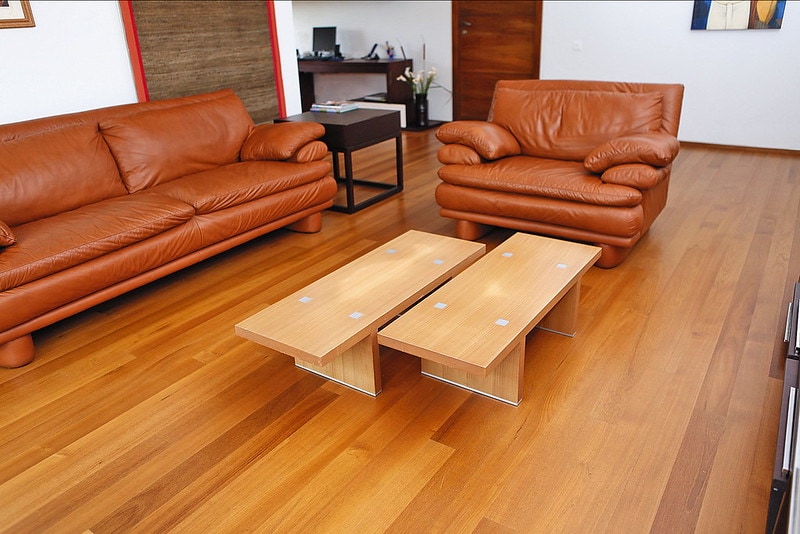
The teak heartwood, referring to the center of the trunk, has a deep golden color. It turns dark brown when exposed to the sun and other light. It also features a long, straight grain that resembles dark wood streaks.
Meanwhile, the sapwood, or outer layer of a teak tree branch, is pale yellow. It is easily distinguishable due to its distinct shade.
Most genuine teak furniture pieces are constructed with heartwood. It gives them an oily finish and natural resistance to the elements.
However, the teak’s appearance can change when treated with stains, as expected with any other wood. That is why it is essential to ask about or identify the unique features of real teak wood.
How to Identify Genuine Teak From Fake Teak Wood?
Teak is famous for its natural protective qualities and attractive design. However, its popularity has led to the rise of fake teak products. Today, many furniture makers polish low-quality hardwoods to look like teak solid wood. These may seem tempting, but they will not last as long.
Below, I will discuss the unique features of teak wood furniture to help you identify the real deal from the counterfeit.
Color
The most recognizable feature of teak wood is its color.
Genuine teak has a golden or medium brown shade. The heartwood also contains black lines or stripes.
Teak pieces sometimes feature a yellowish-white finish when they come from sapwood. It refers to the outermost layer of recently grown wood.
However, the exact color of the teak varies depending on the species. For instance, Burmese teak has a distinct golden brown shade that grows darker with age, while Indonesian teak offers a subtle reddish tone. I will further explain the different types of teak later on.
Another factor that affects the teak color is the stain. Some furniture makers stain teak pieces to turn them dark brown. Ask the manufacturer if you cannot recognize the genuine hardwood from a fake one.
Grain or Texture
After the color, you can also recognize the grain pattern of teak wood with ease.
Wood grains refer to the line and color arrangement of wood fibers. They are also interchangeable with texture, whether coarse, fine, or even.
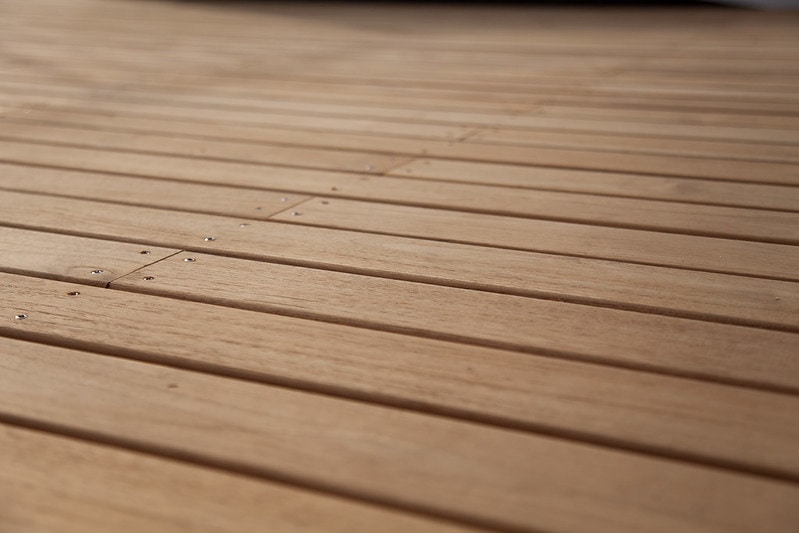
Teak wood has a straight grain pattern, but in some cases, lines or streaks can interlock. Some teak species also feature a wavy grain design.
As for the texture, the teak wood is mostly rough and uneven. It also features moderate luster due to the natural oil content, to be discussed in the next part.
Oil Content
Teak wood produces its natural oils to resist outdoor elements. These lubricants also deliver the distinct golden brown color of the hardwood.
As a result, teak furniture is recognizable by its oily touch. The older the teak tree, the more oil content the wood has. Mature teak also tends to be more durable.
The same could not be said for other cheaper wood materials. The reason is they have less oil and more water.
However, note that teak’s pure oils can dry due to old age or natural weathering. That is why some homeowners apply oil or sealers to the wood surface every three to four months.
Weight
Teak is a semi-heavy tropical hardwood. In general, dry teak weight is around 41 lbs/ft³ (655 kg/m³).
The reason for its moderately heavy load is the large oil quantity. This oil can comprise five percent of the total teak tree weight. Plus, it contributes to the overall durability of the wood.
So if you want to find out if teak furniture is genuine or not, check its weight. Furniture pieces using particle boards and other cheap wood are significantly lighter.
Water Resistance
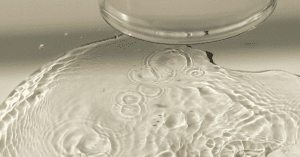
If you own real teak furniture, you can put it to the water test. Simply place a few drops of water on the wood surface. Observe the lumber after a few minutes.
Pure teak naturally resists water and moisture. So it will not quickly absorb the droplets.
Most wood types will immediately soak up the water because they are not moisture-resistant.
Scent
Teak wood has a faint yet distinct smell due to its pure oil content. The scent is close to leather and skin.
Mature teak pieces harvested from the heartwood will have a stronger leather-like fragrance. The reason is they have more oil content.
So if you want to identify teak wood, try smelling it. The material might not be real teak wood if it has no scent.
Patina
Although teak wood is weather-resistant, the surface can still develop a patina due to natural aging. So over time, the golden tones of teak outdoor furniture can turn silver-gray. In some cases, the patina becomes greenish because of the humid conditions.
But unlike other woods, true teak wood furniture that has already been weathered can be left alone. It can resist decay or rot, as long as it is properly cleaned and maintained. The silver-gray color of the weathered wood even adds a rustic appeal to your outdoor furniture.
Lifespan
This factor is hard to tell right away because you really need to test the teak furniture over time. However, a long lifespan is among the indicative signs of real teak wood.
Other cheaper and softer woods can decay in just under ten years. Meanwhile, teak can last you for decades with proper care and maintenance.
What Are the Types of Teak Wood?
The features discussed above allow you to identify real teak wood from a fake. But knowing other soilid wood types can also help in recognition.
There are different types of tropical hardwood tree classified into origin and wood grade. Let us explore them below.
By Origin
Most teak trees originate in tropical forests in South and Southeast Asia. There are a few exceptions worth noting, though.
- Burmese teak – This tree is native to Burma, also known as Myanmar. It has a straight grain pattern and golden brown color that becomes darker with age. It is also easy to maintain and work with.
- Indonesia teak – This is among the most durable hardwoods today. It has a medium brown shade with a slight red tint to it.
- Philippine teak – Native teak wood in the Philippines features a light yellow color and a slightly waxy grain. Sadly, illegal logging has caused the decline of this hardwood.
- Thailand teak – Similar to the previous teak type, Thailand teak has suffered from low supply due to unsustainable harvesting practices. But this hardwood is among the highest quality materials today.
- Indian teak – This wood species is comparable to Burmese teak because of its high oil content. It is highly resistant to outdoor elements and insects.
- African plantation teak – This wood type is cultivated from natural teak trees. It has fewer natural oils and resistance to various elements. However, African teak wood looks similar to other teak types, with its distinct golden brown color.
- Brazilian teak – Also known as cumaru, it is not genuine teak, despite the name. It has a dark reddish-brown color with a fine-grain texture. It is also durable and hard-wearing, which can resist weather elements and insects.
- Chinese teak – This hardwood is also not real teak. It refers to Robinia wood or black locust wood. It shares the same grain pattern and heaviness as real teak. However, it is difficult to work with and has a tendency to warp over time.
By Wood Grade
Teak wood is classified into different grades. Each one can slightly change the color and weather resistance of the hardwood.
Grade A teak comes from the heartwood of teak trees. It has the richest color and the largest concentration of natural oils. As such, it is the most durable part of the wood. Furniture made from class A is highly resistant to moisture, sunlight, and weathering.
Meanwhile, grade B teak derives from the outer or less mature section of the heartwood. It has fewer natural oils, so it tends to be duller in appearance.
Grade C teak is harvested from young trees. It has the least amount of pure wood oil. Classified C teak also tends to warp over time.
The best type of teak wood is grade A. It can last you for decades. The only downside is its high price tag.
Frequently Asked Questions
How much is genuine teak wood?
The price of real teak wood in the United States is between $25 and $30 per board foot. It is difficult to determine the exact price because it depends on several factors. These include the region where it is harvested, the location of purchase, and the wood’s quality, among other things.
Is teak a good material for furniture?
Teak is among the best materials used for furniture making. This tropical hardwood is extremely durable. It is highly resistant to water, sunlight, and weathering. Hence, it can withstand indoor and outdoor use without a problem.
Plus, teak hardwood is easy to maintain. In most cases, a quick washing with soap and water is enough to clean the wooden surface.
How long will teak furniture last?
Teak wood furniture contains natural oil that resists decay and rot. It can last you for more than a decade with proper care and maintenance. Some furniture pieces can survive up to 75 years.
Teak vs Other Wood Species
Read more in depth information comparing these wood species with the qualities in teak wood, so you know the difference in appearance as well as performance:
Conclusion
The popularity of teak wood has led to the rise of fake products. It is easy and tempting to fall for these counterfeits if you are inexperienced in wood furniture buying.
Fortunately, you can identify real teak wood by its golden-brown shade, straight grain texture, and oily surface. You can also look out for its distinct leather-like scent and water-resistant layer. Be sure to check out the top picks for best teak outdoor furniture and familiarize yourself with quality products and our handy buying guide.
Did we miss anything? Let us know by contacting us!