Do you ever wonder if teak is good for Japanese knives? That makes the two of us. As someone who wants to buy a teak cutting board, I am curious if it can withstand sharp cuts from my knives. I’ve gone ahead and researched the topic to help you save time.
Teak wood is good for Japanese knives. It is a durable hardwood that can endure damage from sharp edges. At the same time, the cutting board material is not too hard to prevent dulling your kitchen blades.
I discovered other benefits of using a teak board for Japanese knives, which I’ll teach you below. I’ll also answer some of your questions regarding teak cutting boards.
Is Teak Good for Japanese Knives?
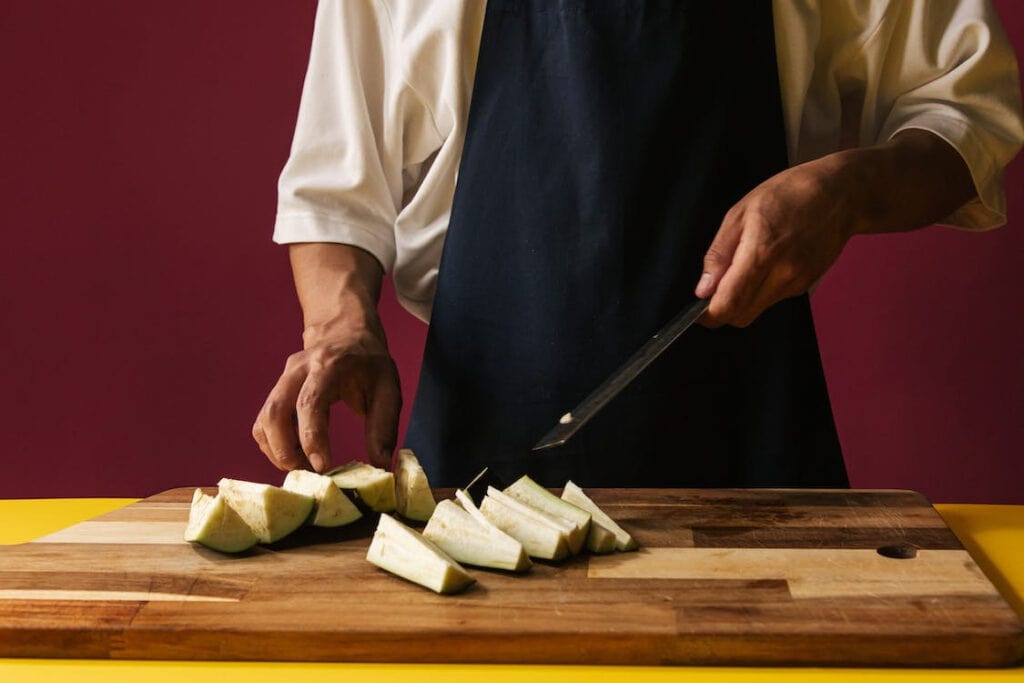
The answer is yes. Teak is great for Japanese knives because it is durable but not overly hard on the blades.
If you don’t already know, teak is a durable hardwood that comes from teak trees, which are native to Southeast Asia. It contains a large amount of natural oils and resins. These make teak highly resistant to water, cracking, splitting, and temperature changes.
Plus, teak wood is dense, with a hardness rating of 1,155 lbs on the Janka scale. It can prevent unwanted knife dents on the wooden cutting board. At the same time, it doesn’t dull your Japanese blades. It is perfect for handling and preparing food in the kitchen.
Why Is Teak the Best Wood for Cutting Boards?
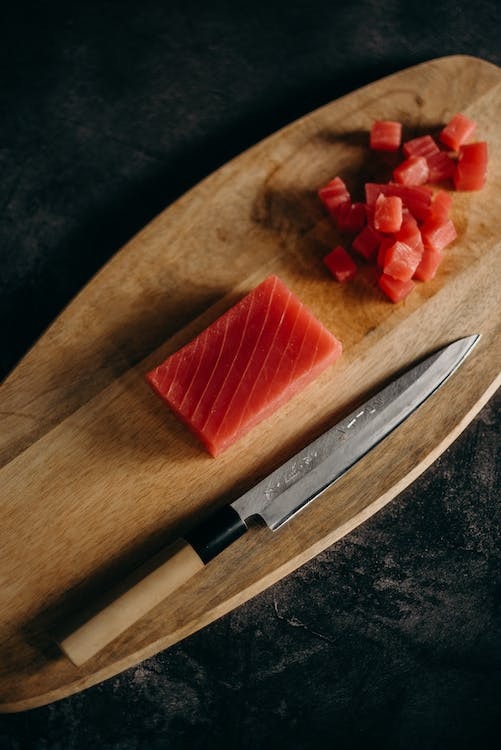
Teak is one of the best woods to use on cutting boards for several reasons.
First and foremost, teak is known for its exceptional durability. Its high natural oil content protects the wooden cutting board from moisture damage, mold growth, and cracks due to repeated force from the knife.
The natural oils of teak can also trap harmful germs and bacteria. No need to deal with plastic cutting boards that can spread bacteria quickly.
Despite being an oily wood, teak does not feel slimy or slippery. The non-skid properties of teak wood cutting boards can prevent ingredients from sliding around while chopping them with your Japanese knife. It also keeps you safe from cutting yourself by accident.
Another benefit of teak cutting boards is the fact that they are low-maintenance. Unlike other types of wooden cutting boards, they don’t require regular oiling or conditioning to retain their durability. That said, they still need proper care to last you for many years.
On top of all these advantages, a teak board is aesthetically pleasing. It has a distinct golden warm color and usually a straight grain pattern to make each chopping board unique.
Frequently Asked Questions
What cutting boards should you avoid when using Japanese knives?
Now that you’re aware that teak is good for Japanese knives, you may be curious to know which board material to avoid.
Bamboo is among the most popular wooden cutting boards to consider. However, it can be too soft in certain areas and overly hard in other places. As such, a bamboo cutting board isn’t ideal for Japanese knives.
Marble, glass, and steel are other materials to avoid because they are incredibly tough on blades. If you use any of them, expect to lose the sharp edge of your Japanese knife by abrasion or rolling the edge.
And as mentioned previously, plastic cutting boards can harbor bacteria and germs. They are also too soft for Japanese knives, leading to dents on the cutting board.
Finally, avoid polyethylene material when using Japanese blades. Although it is cheap and easy to maintain, it causes the knife to slide and fracture under stress from your tight grip.
Does teak dull knife blades?
Wood cutting boards made from teak are highly durable yet gentle on knives. Teak has a medium hardness rating, meaning it can withstand regular cutting of food. But the teak board isn’t too hard, so it can retain the sharpness of your knife.
If you really want to prevent a dull knife edge, look for a teak cutting board made with end grain wood. The firmness of edge grain wood is higher than the typical side surfaces found in regular boards.
How to care for teak cutting boards?
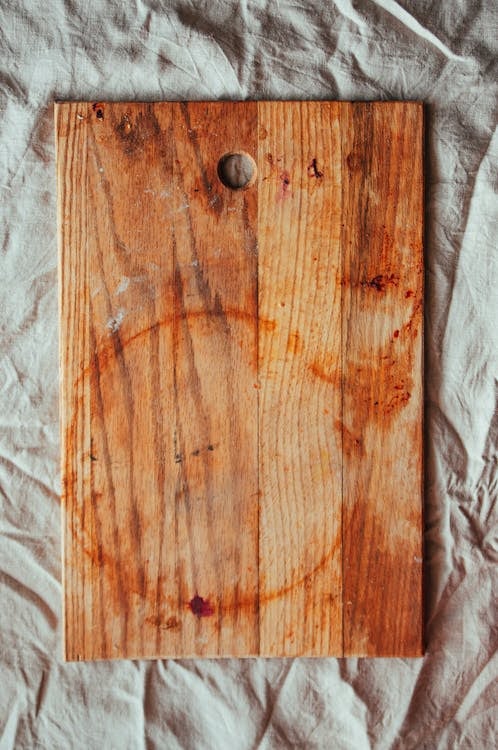
Although teak is a low-maintenance wood board, proper maintenance is essential to keeping it in optimal condition.
To take care of teak cutting boards, clean it thoroughly after use. This involves washing the teak carving board with warm soapy water. Gently remove food particles with a sponge brush.
After cleaning, dry the board using a clean towel. Store it in a dry and cool place away from direct sunlight when not in use.
Finally, apply food-grade oil to the wooden surface every few months. Doing so protects the chopping board from moisture and bacteria as well as drying. Put a generous amount of oil on top of the carving board. Let it sit for several minutes before wiping off excess product.
Conclusion
Japanese knives are known for their thin and very sharp blades. Choosing a good cutting board material is essential to avoid dents or cracks.
Teak wood is one of the best materials that work well with Japanese blades. It has exceptional durability that can withstand repeated pressure from the knife. At the same time, it isn’t overly hard to retain the sharpness of your kitchen tool. A teak cutting board also has other benefits, which I covered above.
Did you find this article informative? Check out the blog page for more helpful posts about teak wood!