Teak is an incredibly robust hardwood with natural properties that contributes to its beauty and durability. It’s a highly coveted material choice for outdoor furniture and decking due to its resistance to moisture and the elements. But is teak waterproof?
While teak is known for its durability and graceful weathering, leaving it soaked in water for a long period of time might still cause some damage to your wood.
However, the debate on whether teak is waterproof or not depends on a few factors like the specific use or application and the level of upkeep you provide to your furniture. It’s also important to understand this wood’s inherent characteristics and how it naturally reacts to moisture.
Below, we explore all the amazing qualities of teak and provide you with tips on how to best protect your teak furniture from the elements.
Is Teak Wood Waterproof?

Teak has a lovely natural honey golden shade and remarkable resistance to rot, termites, and other pests.
The reason teak is one of the most coveted materials for outdoor furniture, fences, and patios is due to the wood’s superior durability and inherent beauty. In fact, teak wood has been used for building high-end ships and yachts since the Middle Ages. And most ships nowadays have teak decks.
Teak wood contains natural oils that make it resistant to water, pests, fungi and mold. And unlike other woods, it doesn’t deteriorate badly in extreme weather.
But the question of whether or not it is waterproof depends on the application and how well you maintain it.
Are you using teak outdoors where it’s frequently exposed to moisture, humidity, and inclement weather? How often do you maintain it? Do you address any visible issues before they get worse?
In most cases, it’s acceptable to think of teak wood as being waterproof – meaning, it can usually stay outside in some rain and be just fine. But the truth is that, despite having weather-resistant properties, it can still absorb some water. This is especially true if the wood isn’t properly maintained and treated while constantly soaked in water for a long period of time.
Other Sought-After Features of Teak Wood

Despite being hard to source and high upfront cost, teak is one of the most popular wood materials for many indoor and outdoor pieces of furniture. Why? Here are a few reasons:
Weather and Water Resistant
Teak woods are most notable for their ability to resist all weather conditions. This wood is one of the very few woods on the planet that has natural oils. And its oil plays an important role in repelling water and keeps it from warping, splitting, or growing brittle.
In addition, the natural oil in teak also allows the wood to survive the severe impacts of intense rainfall, harsh snow storms, and scorching hot sun. And when it comes to changes in humidity, teak doesn’t really sink or warp as badly as other types of wood.
Teak not only resists water and withstands moisture, but its high silica concentration also gives it slip resistance and added resilience. Which is why they’re highly recommended as a construction material for boats, decks, patios, and pool sides. And other wet environments where slipping is a hazard.
Durability
Teak is incredibly robust and stable. And this is why it’s a perfect wood material for outdoor furniture. As mentioned earlier, it’s long been used to build luxurious patio furniture. Plus, it doesn’t require frequent sealing or staining to withstand the elements.
The high amount of silica in this tropical hardwood also protects it from the environment and pests, which means that any furniture made from teak will survive for many years.
Low Maintenance
No extensive upkeep here!
Compared to other types of wood, teak is often considered to be a low-maintenance material. It’s inherently resistant to rotting and decay, while also requiring no preservatives or other protective coatings to be applied on a regular basis.
This wood is also impervious to termites and other insects, so you won’t have to use pesticides or other pest resistant products. All you have to do is apply a thin coat of oil once a year since the sun can dry out this oil after prolonged exposure. The oil serves as a supplement to restore its luster all year-’round.
Versatility
Teak wood has a wide range of applications due to its several valuable qualities. Some common uses of teak wood include:
Outdoor Furniture
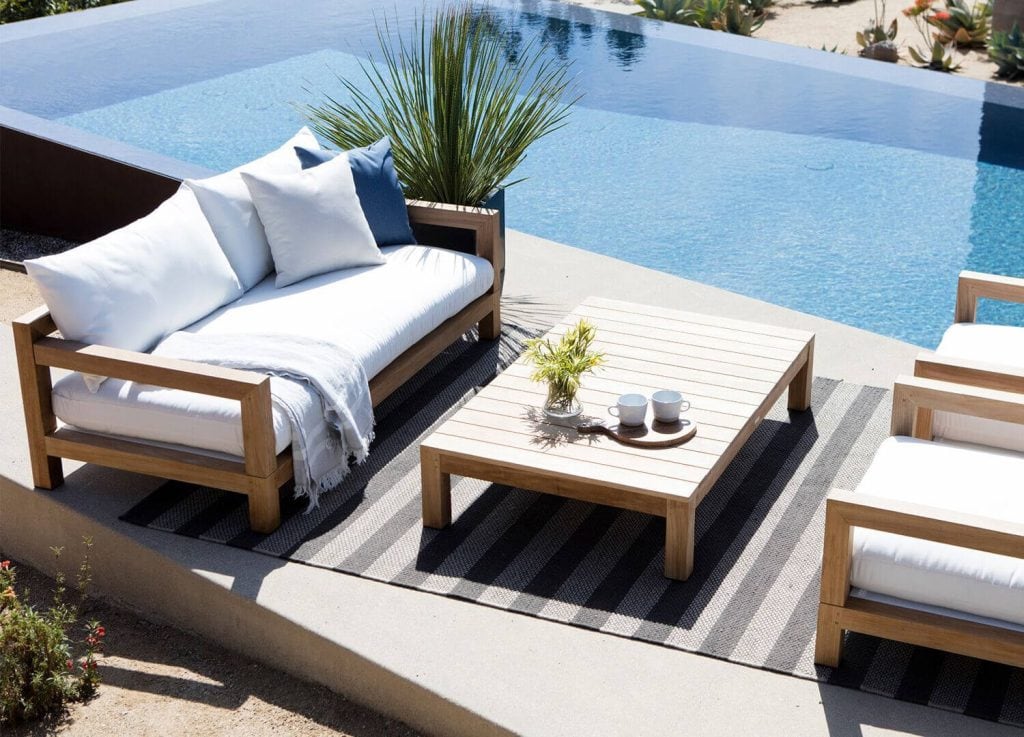
Teak is a popular choice for outdoor furniture, such as teak shower benches, patio tables, and chairs due to its durability and resistance to elements and water. If you want, you can leave it natural, varnished, stained, waxed, or finished. It will depend on the type of furniture and personal choices.
Boat Building
As you know, boats are constantly in contact with salt water and the elements. In this case, teak is the ideal material. Given its low shrinkage rate, this wood changes very little even after continuous exposure to water and sunlight. It is a wonderful option for boat builders due to its exceptional qualities.
Flooring
Due to its resilience and resistance to wear and tear, teak is a common choice for flooring. It’s widely used in high-traffic spaces and for outdoor floorings like decks and patios.
Paneling
Teak is often used for paneling, both indoors and outdoors. This is due to its natural resistance to deterioration and rot. Plus, endure extensive use and exposure to the weather which is something that every home suffers from.
Cabinetry and Furniture
Again, due to its natural beauty and long-term durability, teak wood is often used in building high-end cabinets and furniture. And most of the time, you’ll find them in many instruments like guitars.
Long lifespan
In terms of longevity, outdoor furniture pieces made from teak wood tend to have a longer lifespan, owing to all of the qualities mentioned above. It doesn’t splinter or break as other woods do with time. And even if you try to break it, you will have a hard time simply because it is resilient.
Investing in teak wood furniture means that you are getting furniture that will outlive you and can be passed down for generations to come.
Inherent Beauty
Teak is a naturally gorgeous hardwood. The grains on the surfaces of many teak furniture are simply irresistible—thanks to its interior oils that protect it while producing a stunning sheen.
Also, metal hardware is common in many wooden pieces of furniture. And unlike other types of wood, it never rusts when it comes into touch with metal. So having rust-resistant timber like teak will keep your benches and chairs looking excellent for many years.
Care and Maintenance Tips
While teak is incredibly robust and can withstand the harshest weather, your furniture may still need some TLC.
Teak wood has a honey-brown tone when it is freshly harvested. However, it will gradually age and (gracefully) turn gray with time. It also doesn’t help that teak patios and decks are constantly exposed to direct sunlight, which may dry out the wood and cause it to lose its shine.
Here are some helpful tips for caring for your teak wood:
- Wipe up spills right away to avoid water soaking into the wood and risking damage.
- To avoid dents and scratches, use protective cushions or coasters under heavy or sharp objects.
- Avoid placing hot objects directly on the wood. This might result in discoloration or surface damage.
- Protect teak wood furniture from the weather by keeping it indoors or in a covered area outdoors.
- Clean the wood with a teak cleaner using a soft, dry cloth on a regular basis to remove surface grime and debris.
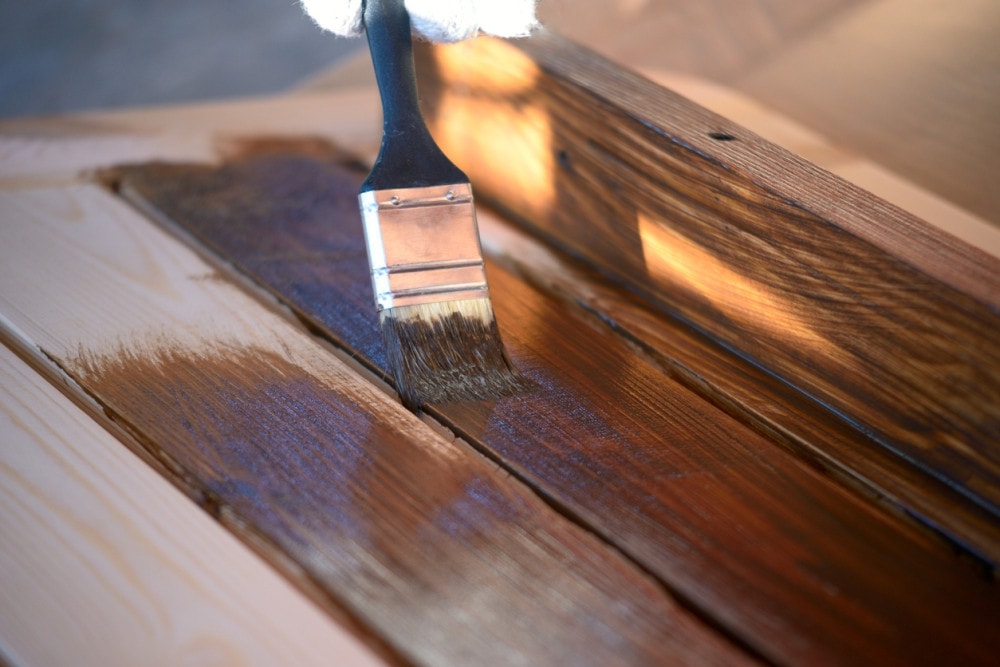
- If there is any noticeable graying or discoloration, carefully sand it and add a fresh coat of oil or some sort of wood treatment to restore its natural color and sheen.
What Happens to Teak When It Gets Wet?
Teak carries natural oils that make it naturally water resistant. This means that, unlike most other woods, it will not decay if you leave it out in the rain, which is why it’s a popular material for outdoor furniture.
However, when it’s exposed to constant moisture, it may absorb some of the moisture and could slightly expand. Plus, its own oil will begin to dry up if you leave your teak furniture under direct sunlight and untreated for a long time.
But with proper maintenance and sealing, leaving your teak wood exposed to water shouldn’t be a major issue.
Is Teak Wood Good for Showers?
Teak is among the few types of wood that is impervious to water and moisture, which makes it ideal for use as shower benches or bath mats. It has a natural oil that protects and lubricates the wood, allowing it to withstand humidity in the surroundings.
This also means that it can resist mold and mildew growth, which can be an issue in wet areas like showers. On top of that, teak boasts a lovely, inviting look that may lend a luxurious touch to any bathroom.
What Are the Disadvantages of Teak Wood?
Aside from the wood’s durability and weather resistance, teak tends to be more expensive than other types of wood. The reason for this is that it’s not widely available on the market since teak is a naturally slow-growing timber which makes it hard to harvest.
Another drawback of teak wood is its weight and density. This makes it difficult to work with and transport. However, the number of advantages of this wood outweigh all of its cons.
The Takeaway

Teak wood is inherently water resistant. It can endure moisture exposure without warping or cracking. However, it is still crucial to properly care for them by applying natural teak sealer or teak oil whenever necessary and keeping them safe from harsh weather conditions. Doing so will help expand the lifespan of your outdoor teak furniture.
We hope you found this post helpful and if you have any more queries regarding the waterproof features of teak wood or how to care for it, leave a comment or contact us. Thanks for reading!