Do you ever wonder how to take care of your teak outdoor garden furniture? If yes, you have probably heard about the benefits of wood oils. But with so many available products, you may find it overwhelming to choose the best oil for your needs.
The best oil for teak outdoor garden furniture is the one that it already has. There is no need to apply wood oils because teak is full of oils. These naturally occurring lubricants protect the wood from harsh sunlight, moisture, and other elements.
Below, we’ll reveal why wood oils can do more harm than good. We’ll also cover the properties of these products to help you understand their downsides. Plus, this article will teach you which item to use instead.
What Is the Best Oil for Teak Outdoor Garden Furniture?
Teak wooden furniture is naturally oily. It can protect itself without using treatments, such as wood oils.
The oil deep within the teak wood can effectively resist moisture and rot. This high lubricant content is what makes teak so resilient and durable.
However, outdoor teak furniture is constantly exposed to the sun and other harsh elements. This is the reason why many homeowners and online websites recommend applying wood oils. They supposedly help protect your prized teak pieces.
Unfortunately, experts say these oils can do more harm than good. Avoid using the following products to treat your teak garden furniture.
Teak Oil
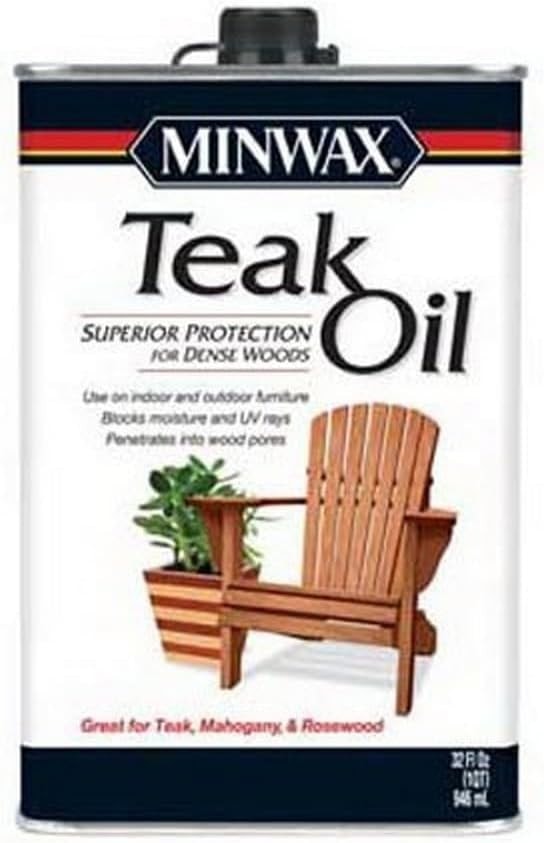
Despite its name, teak oil does not come from teak wood. It is a commercial term that has nothing to do with the naturally occurring oils of teak.
Instead, it combines different wood oils (mainly linseed and tung oil) with thinners, varnish, and other additives. In short, it is an artificial product rather than a natural one.
Teak oil only got its name because it was originally intended for teak wood treatment.
To be fair, it does work to restore the golden brown color of old teak garden furniture.
However, the effects are short-lived, which are not worth the effort. Teak oil can also cause the natural oils deep within the teak hardwood to evaporate over time.
Tung Oil
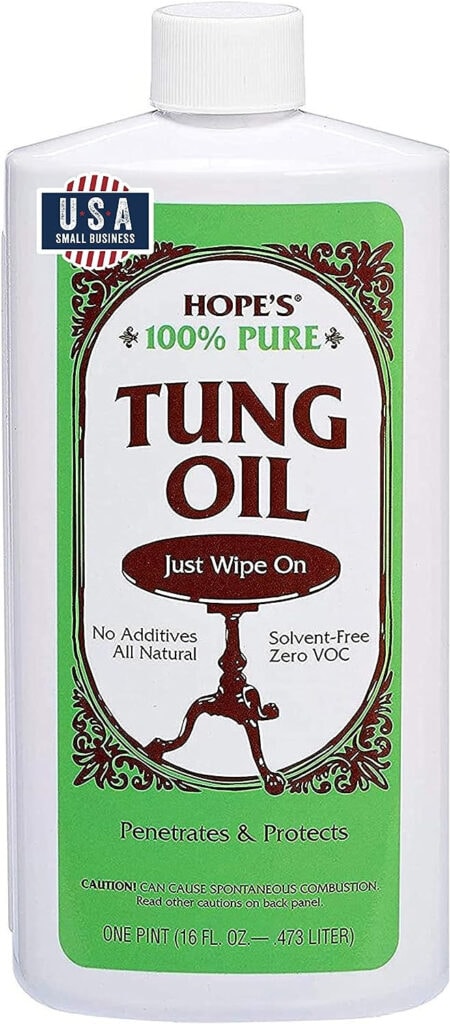
Tung oil, also known as China wood oil, is one of the best oils to treat wooden furniture.
It can help natural oak and similar hardwoods resist water, oil, and chemicals. It also leaves a shiny finish to the wood, enhancing its natural grain and texture.
Despite these advantages, tung oil is not the best choice for teak wood furniture. Yes, it gives your garden pieces a beautiful color and shine, but it doesn’t last long. It also has no effect on the chemistry of the hardwood. As such, it does nothing to stop the graying process of teak.
Danish Oil
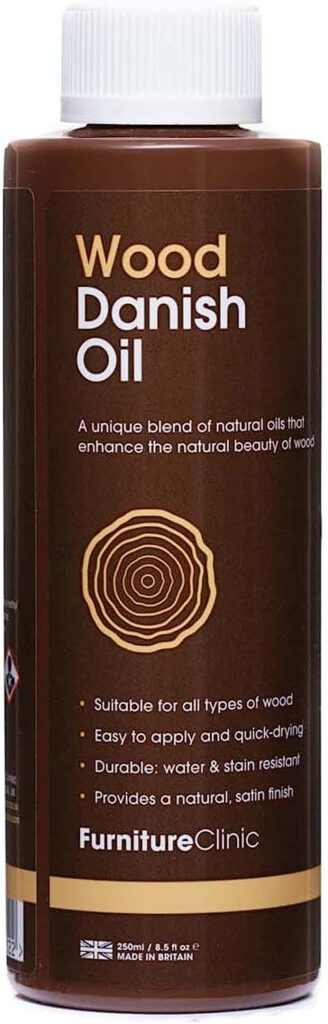
Danish oil is another popular product that supposedly protects teak outdoor furniture.
However, it uses polymerized linseed oil or tung oil, varnishes, and other additives that discolor teak garden furniture. Sometimes, it even contains boiled linseed oil, which is toxic and infamous for combusting by itself.
Danish oil may work with other hardwoods, but it doesn’t treat teak furniture properly.
What Are the Downsides of Oiling Outdoor Teak Furniture?
By now, you know that applying artificial oils to teak furniture must be avoided. Still, you may be curious to understand their downsides.
Below are some unpleasant side effects of using wood oils to treat teak garden furniture.
Risk of Oil Evaporation
Wood oils penetrate the fiber of the teak furniture. They oxidize and harden from within, making you think they are good for the hardwood.
However, artificial wood oils tend to evaporate after a few weeks of exposure to sun and moisture. Once they do, they usually take a little bit of the natural oils present in your teak furniture. That leaves the wood drier and more susceptible to damage.
Increased Maintenance
By nature, teak wood furniture requires little to no maintenance. Outdoor pieces can survive without using treatments, but they may leave a silver-gray patina on the surface.
When you start oiling outdoor furniture, you must repeat this process frequently from now on. If you fail to do so, expect that your wood will not look as appealing.
Mold and Mildew Growth
Teak furniture naturally resists mold, mildew, and moisture that causes other problems.
However, external oils can prevent its inherent mold-resistant properties from working properly. They can ultimately disrupt the natural defenses of teak hardwood.
When left unattended, mold and mildew growth can lead to rot. So it is best to avoid teak oils, tung oils, and other types of wood oils.
Wasted Labor and Money
As previously mentioned, teak is a naturally oily hardwood. It doesn’t need wood oils to “replenish” its protective lubricants from within. And even if the teak turns gray, it still has enough oil content beneath the surface.
So, applying any type of wood oil is a waste of effort and money. It barely does anything to strengthen the teak. It may slightly alter the appearance and color of the wood, but it only lasts for a short time.
Invest your time and savings into better wood maintenance products.
Continued Graying
Most homeowners think that oiling teak garden furniture can retain its original golden brown color. However, teak oil and other oil products do not affect the chemistry of the wood. That means the teak wood will still undergo the natural weathering process and turn gray.
If you want to restore the original color of the hardwood, you don’t need to apply oils. You can simply sand the surface to remove the discolored outer layer and reveal the beautiful color beneath it.
Shorter Lifespan
Wood oil treatments can interfere with the natural protective qualities of teak furniture. That leads to a weaker structure that is more susceptible to damage and rot. It can ultimately shorten the expected lifetime of the hardwood.
Without wood oils, teak wood can last you for a long time.
Why Should You Use Teak Sealer Instead?
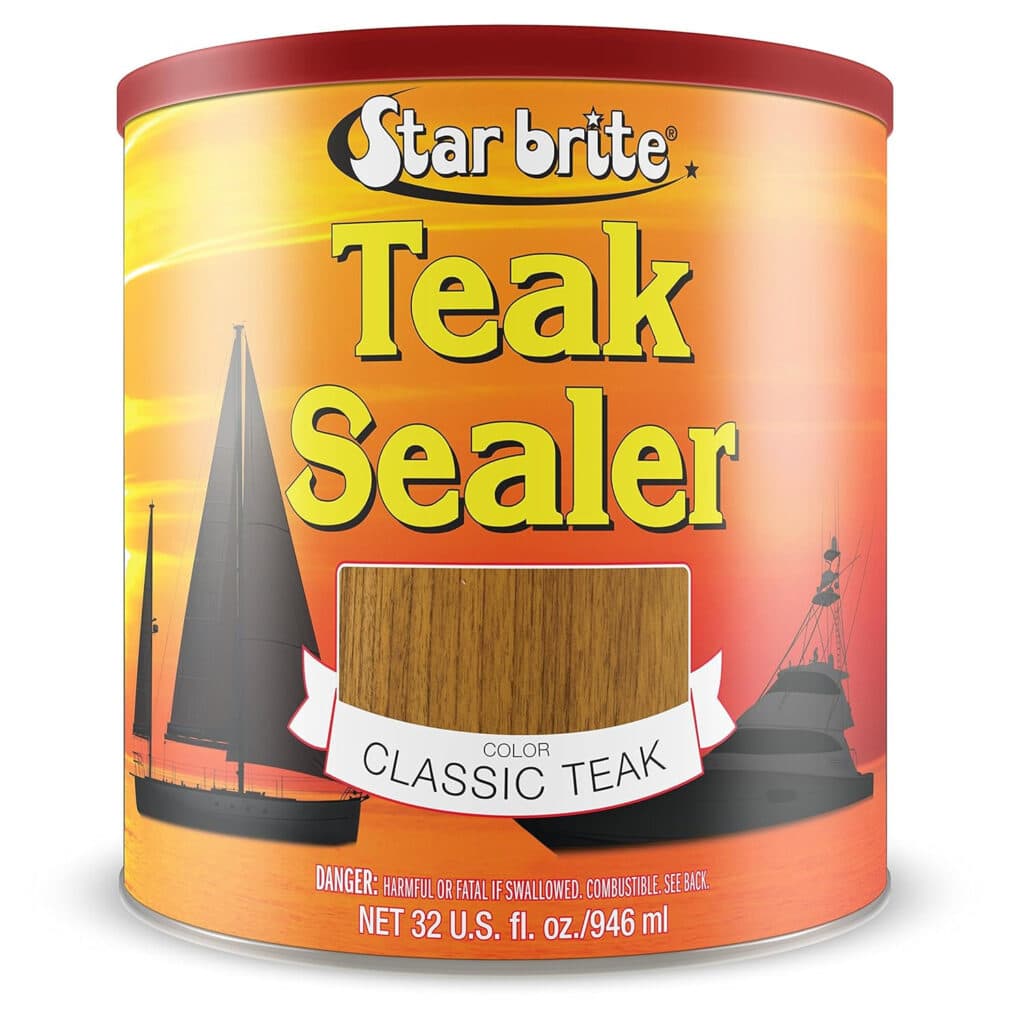
Now that you understand the importance of avoiding wood oils, you may wonder which product to use instead. And can you really leave your teak garden furniture unprotected?
The answer is complicated.
Yes, you can leave your furniture outside without adding treatments. Expect the natural oils to protect the hardwood against the sun, water, pests, and weather damage. However, you must know that teak wood eventually turns silver-gray because of weathering. This process is entirely natural, but many people worry about damaging their furniture.
If you want to protect your teak outdoor furniture further, you can use a teak sealer.
Unlike wood oils, sealers do not penetrate the fibers of the wood. They cannot cause the natural oils to evaporate.
Instead, teak sealers seal in these protective oils to slow down the weathering process. They prevent damage from sunlight, water, mold, chemicals, and other substances.
Plus, they have a longer lifespan than wood oils. They only require reapplication every year.
How to Apply Teak Sealer to Teak Outdoor Furniture?
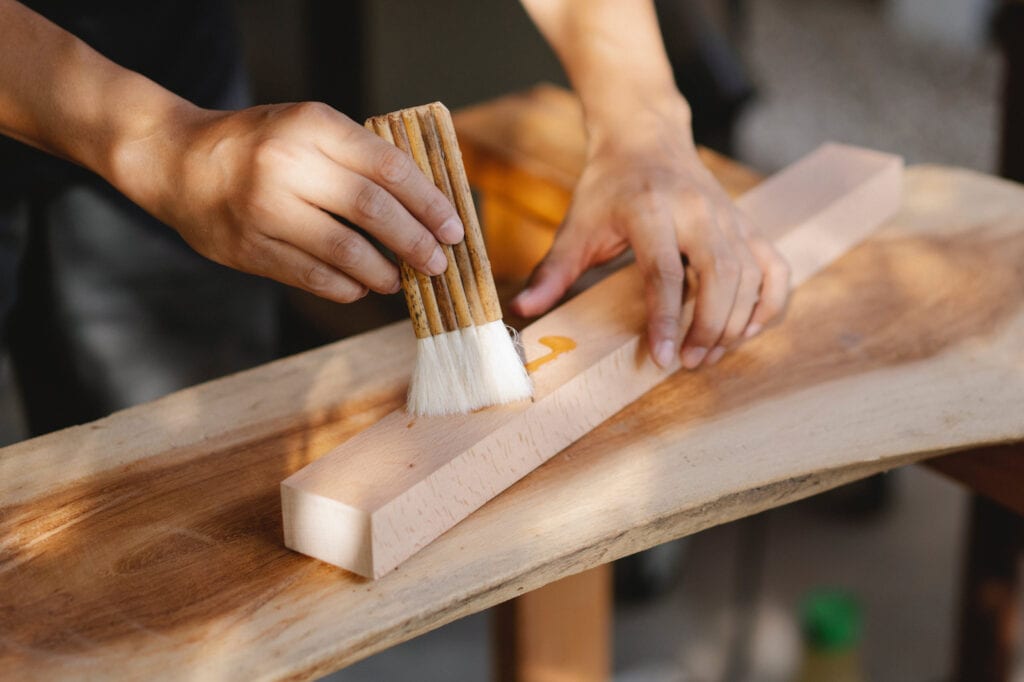
Applying teak sealer to outdoor garden furniture is relatively straightforward.
First, you must ensure the furniture is clean. Wash it using a soapy water solution or a dedicated teak cleaner. Gently scrub off stains and use sandpaper to achieve a smooth surface.
After sanding, rinse away soap and sanding residue. Let the teak furniture dry completely before using the teak sealer.
Once the surface is dry, mix the teak sealer. With a brush, apply it to the wood following the direction of the grain.
Leave it to dry before applying the second coat.
Wipe off excess product with a clean cloth.
Allow the surface to dry completely before using the teak garden furniture.
Remember to reapply the product every year for the best results. If you want to stop for any reason, you can do so without severe consequences. You will not tarnish or damage the teak wood, unlike wood oils that require constant reapplication.
Are There Benefits to Applying Teak Oil to Other Woods?
If you already bought teak oil, you may wonder if you can still use it on another hardwood.
The answer is yes. Applying teak oil to other types of wood actually has several benefits.
For example, if you have porous wood furniture (such as pine), know that it can quickly lose natural oils. Teak oil can easily retain the necessary lubrication to keep the wood supple and durable.
Teak oils can also moisturize indoor wood furniture, which tends to crack and splinter in dry weather. They ultimately extend the lifespan of the wood.
Finally, teak wood oils can leave a beautiful shine on the surface. They can enhance the natural beauty of other wood species.
Conclusion
Teak outdoor garden furniture is constantly exposed to harsh outdoor elements. You may be tempted to apply wood oils to protect your prized furniture. However, they are unnecessary because teak already has high oil content.
Consider investing in a teak sealer instead. This product does not cause oil evaporation or mold growth. It sits on top of the wood pores to lock in natural oils. It ultimately slows down the weathering process and extends the lifespan of your furniture.
Do you have more questions about teak wood maintenance? Drop a message on our contact page, and we’ll respond immediately!